Àbẹ̀bí Yorùbá is where families, couples, and individuals find the tools to learn, speak, and live in the Yorùbá language.
We build guides, songs, phrase systems, and cultural resources that weave Yorùbá into everyday life, so the language lives on through the people who choose to carry it forward.


The language was slipping away. I refused to let it.
For over a decade, I have worked at the intersection of language, culture, and identity. As a professional Yorùbá translator and interpreter, I have served organisations like ECOWAS, USAID, Johns Hopkins Center for Communication Programs, the Nigerian Television Authority, Data Science Nigeria, and dozens of international language service firms across three continents.
But the work that led to Àbẹ̀bí Yorùbá did not start in a boardroom. It started in living rooms. In kitchens. On video calls where grandmothers tried to speak to grandchildren who could not understand a word.
I watched it happen in family after family across the diaspora. Parents who grew up hearing Yorùbá but could not speak it confidently. Children who understood English better than the language of their own bloodline. Grandmothers who went quiet on calls because there was nothing left to say in a language the child did not know.
I decided to do something about it.
I spent over two years researching what actually works when it comes to teaching Yorùbá to children raised outside Nigeria. I interviewed language teachers. I sat with grandmothers who raised bilingual children without ever calling it a method. I tested approaches with diaspora families across the UK, US, and Canada. And I documented everything into a clear, structured system that any parent can follow, regardless of their own fluency level.
Every Yorùbá word and phrase in our guides has been verified for correct tonal notation by a native-speaking language consultant. Because the worst thing a parent can do is teach their child Yorùbá with the wrong tones. Our guides make sure that never happens.
"The grandmothers didn't sit children down and say 'Now we will learn Yorùbá.' They just spoke. At bath time. At mealtime. During stories at night. They wove the language into the child's daily life until the child couldn't tell the difference between living and speaking Yorùbá."
This is why Àbẹ̀bí Yorùbá exists; not to teach Yorùbá as a school subject, but, to give parents the tools to weave it into the life their family already lives. Breakfast still happens. Bath time still happens. Bedtime still happens. The only difference is the language those moments are wrapped in.
The woman behind the mission
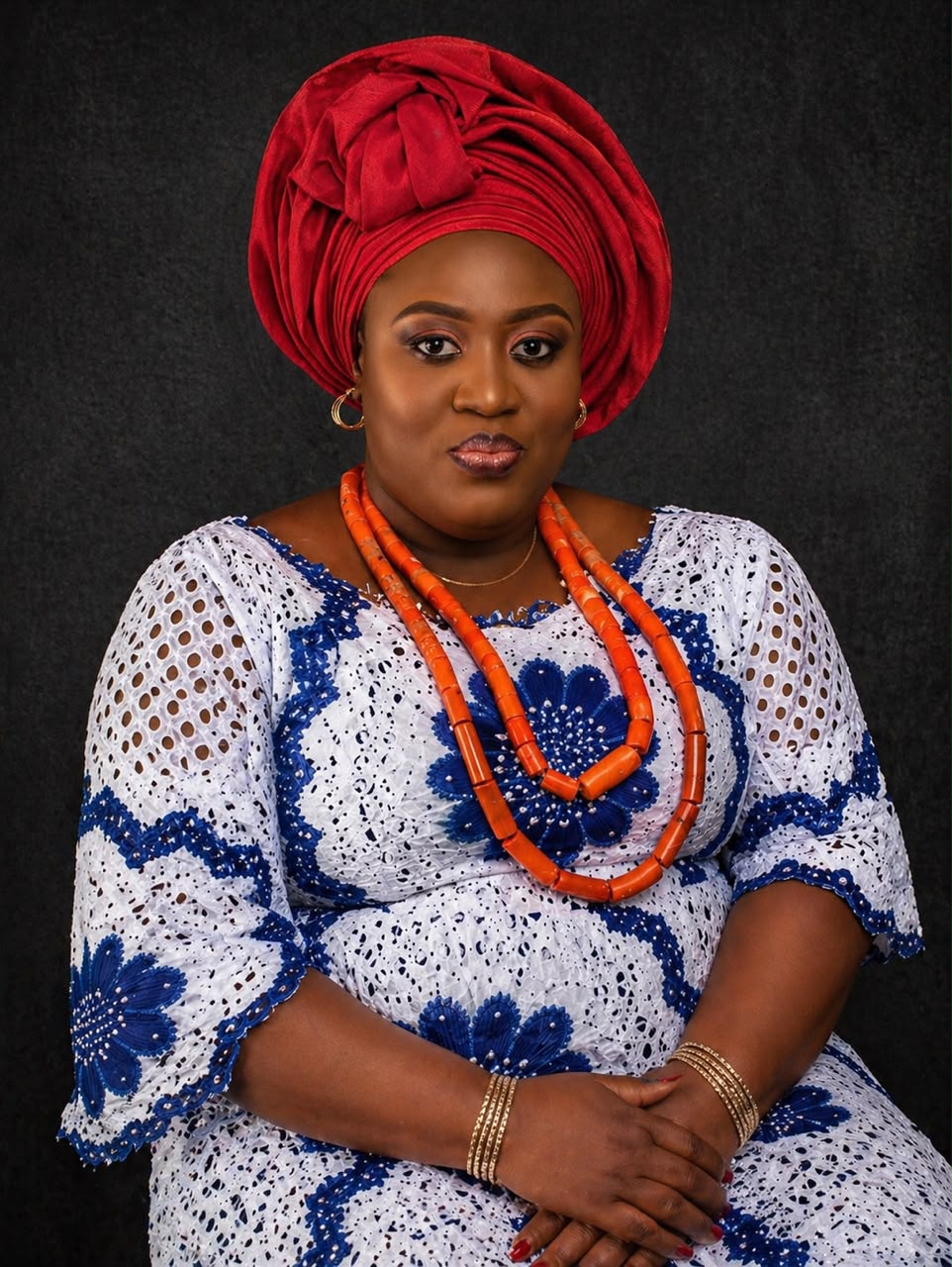
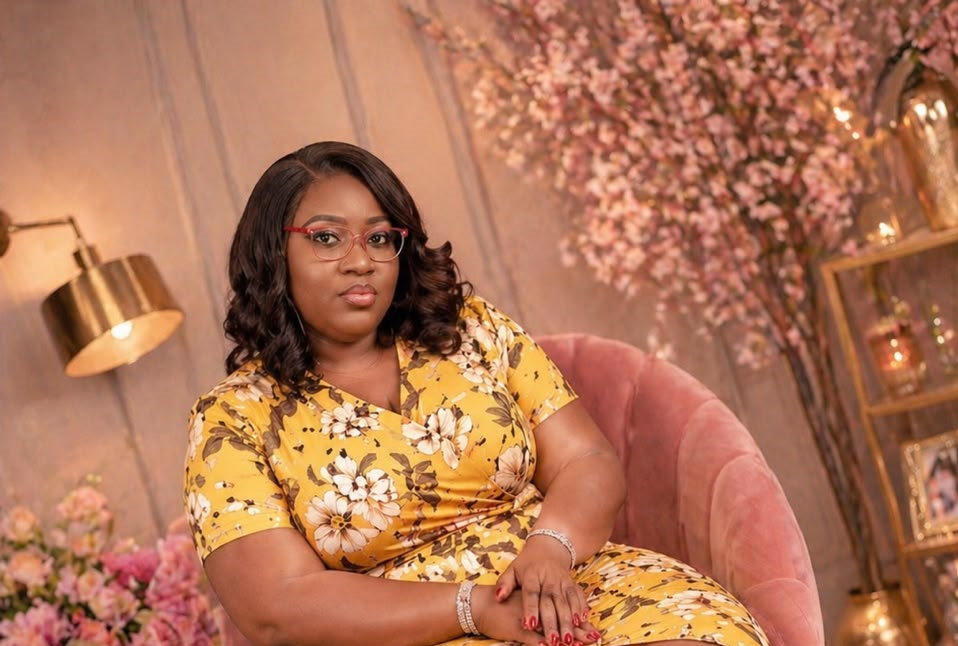
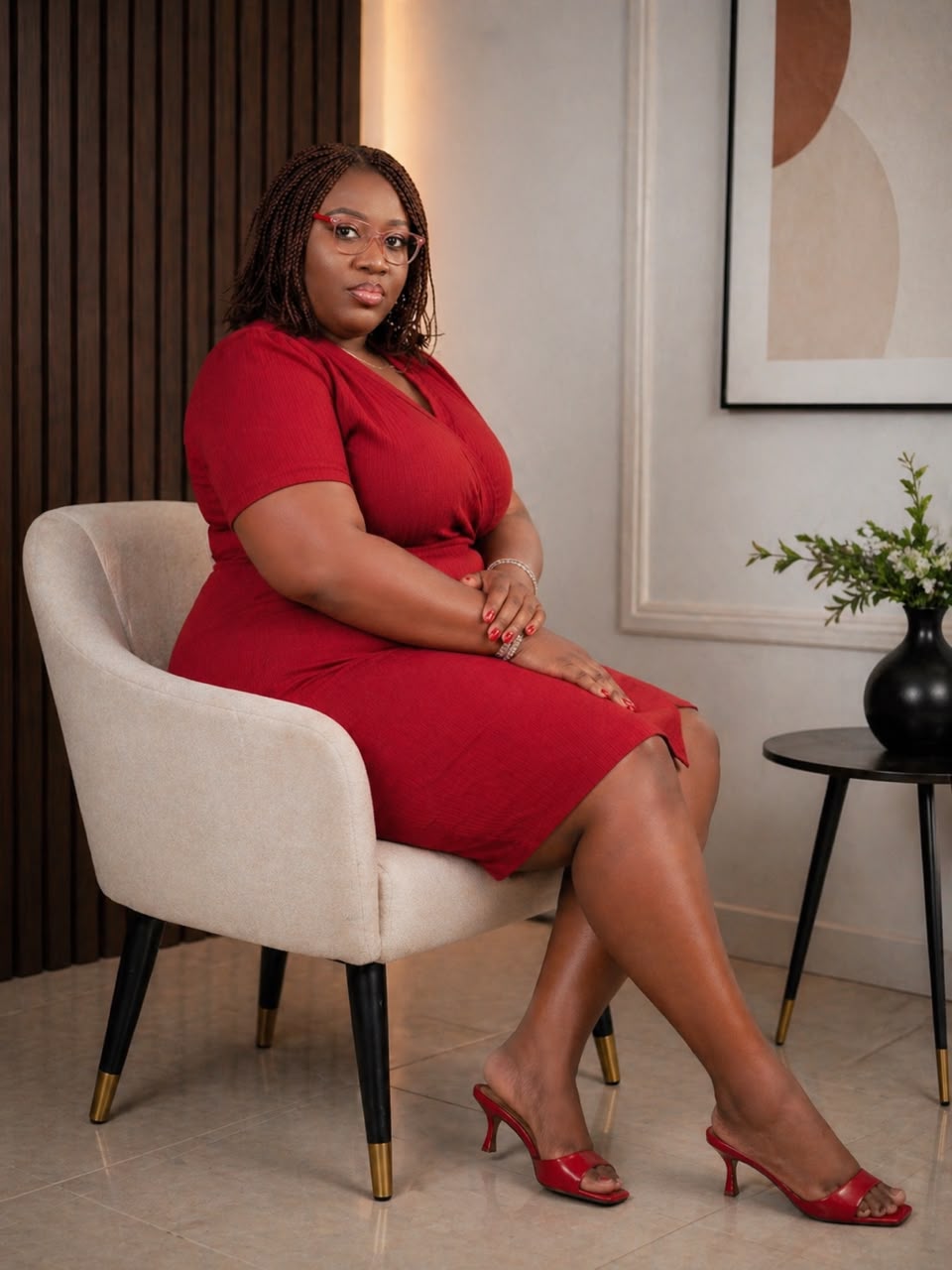
Adejoke Yéwándé Olúwájọbí is a Yorùbá language advocate, professional translator, cultural consultant, and the founder of Àbẹ̀bí Yorùbá. She holds a B.Sc. in International Relations from Obafemi Awolowo University and an NCE in English-Yorùbá Language Education from Adeniran Ogunsanya College of Education.
She currently serves as the Secretary General and Registrar of the Nigerian Institute of Translators and Interpreters (NITI), where she leads institutional operations, coordinates translators and interpreters across multiple languages, and champions Yorùbá language advocacy nationally.
For over 11 years, she has provided simultaneous, consecutive, and bilateral interpretation services to organisations including ECOWAS, USAID, Johns Hopkins Center for Communication Programs, the Nigerian Television Authority (NTA), Data Science Nigeria, SOFRECO, and dozens of international language firms. She has translated over 230 pages of multilingual documents in a single project, served as an On-Air Personality (OAP) on NTA, anchoring Ojumo're (the Thursday breakfast show) and presenting news in both English and Yorùbá on national television, and trained AI language models at PublicaAI.
But the work she is most proud of has nothing to do with boardrooms or institutions. It is the work of helping a mother in Birmingham teach her child to say "Kàárọ̀" at breakfast. It is the work of giving a grandmother in Lagos a reason to stay on the video call a little longer. That is what Àbẹ̀bí Yorùbá was built for.
Where the Language Work Happens
The Àbẹ̀bí Yorùbá Collection
Every guide in this collection was researched, verified, and compiled to give diaspora parents something that did not exist before: a complete, structured, daily system for raising a child who speaks Yorùbá.
Classes and Private Lessons
Get in Touch
Questions, bookings, collaborations, or just want to say hello.
Facebook & Advertising Disclaimer
This website is not part of the Facebook website or Facebook Inc. Additionally, this site is not endorsed by Facebook in any way. FACEBOOK is a trademark of FACEBOOK, Inc.
Results described are not typical and individual results will vary based on effort, consistency, and other factors. Testimonials reflect real experiences but outcomes may differ.
Adejoke Y. Oluwajobi is the founder and publisher of Àbẹ̀bí Yorùbá. All content is for educational purposes.